27 June 2019
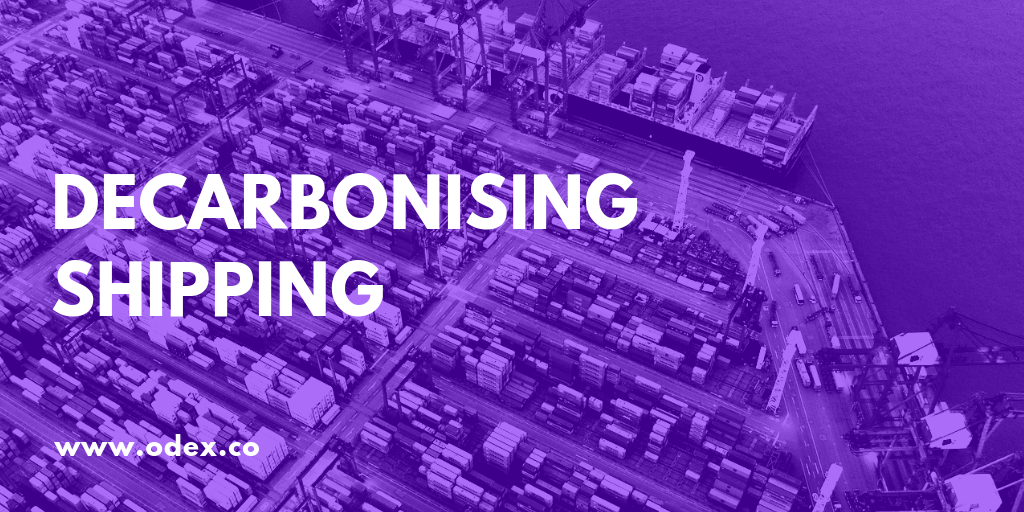
Decarbonising Shipping
We love stumbling upon news stories that talk about reducing carbon emission.
The future of fuel seems uncertain, but there are few that are looking at bridging that gap. This has been questioned increasingly due to the decarbonisation of shipping and the IMO targets for CO2 reductions by 2030 and 2050 .
The American Bureau of Shipping talks about how different the fuels need to be in order to meet the targets set by the IMO. They need to be low carbon, zero carbon, or carbon-neutral fuels. Currently, zero carbon fuels don’t exist. Clean fuels such as LNG, LPG and methanol are available, but they are not widely available. And even more so, they have their shortcomings. LNG, however, is the most popular choice for 2050 Greenhouse Gas emission target as it helps with carbon reduction.
There are two key dates from the IMO – 2030 and 40% reduction CO2 intensity by shipping, and a target of a 50% in absolute GHG reduction by 2050 compared to 2008. Although the latter target is a minimum and could change once studies are completed by 2023. The 2050 target of the absolute GHG reduction is the challenge because there is no solution for it yet.
One such example Tikka cites is working with Herbert Engineering on what she terms as “realistic aspirational designs”. She explains the designs are “aspirational” in that you could not build them today, or would not be economically viable, “but we think that in the 2030 timeframe the technology could be mature enough you could build a 2030 vessel that could be zero carbon, or close enough to zero carbon and operate in 2050”.
ABS has established a Global Sustainability Center in Singapore. They’re looking at collecting intelligence together to work towards achieving the target.
It is also looking to the use of digital technology to improve utilisation, managing performance and maintenance management systems.
“The third category we are looking at is the impact of the trade growth and IMO targets on ship design, and current concept designs are an example of that,” she explains. The concept designs include a feeder containership and a large-sized boxship using two different fuel types – biofuel and hydrogen fuel cells.
Source: Seatrade Maritime News


.jpg)